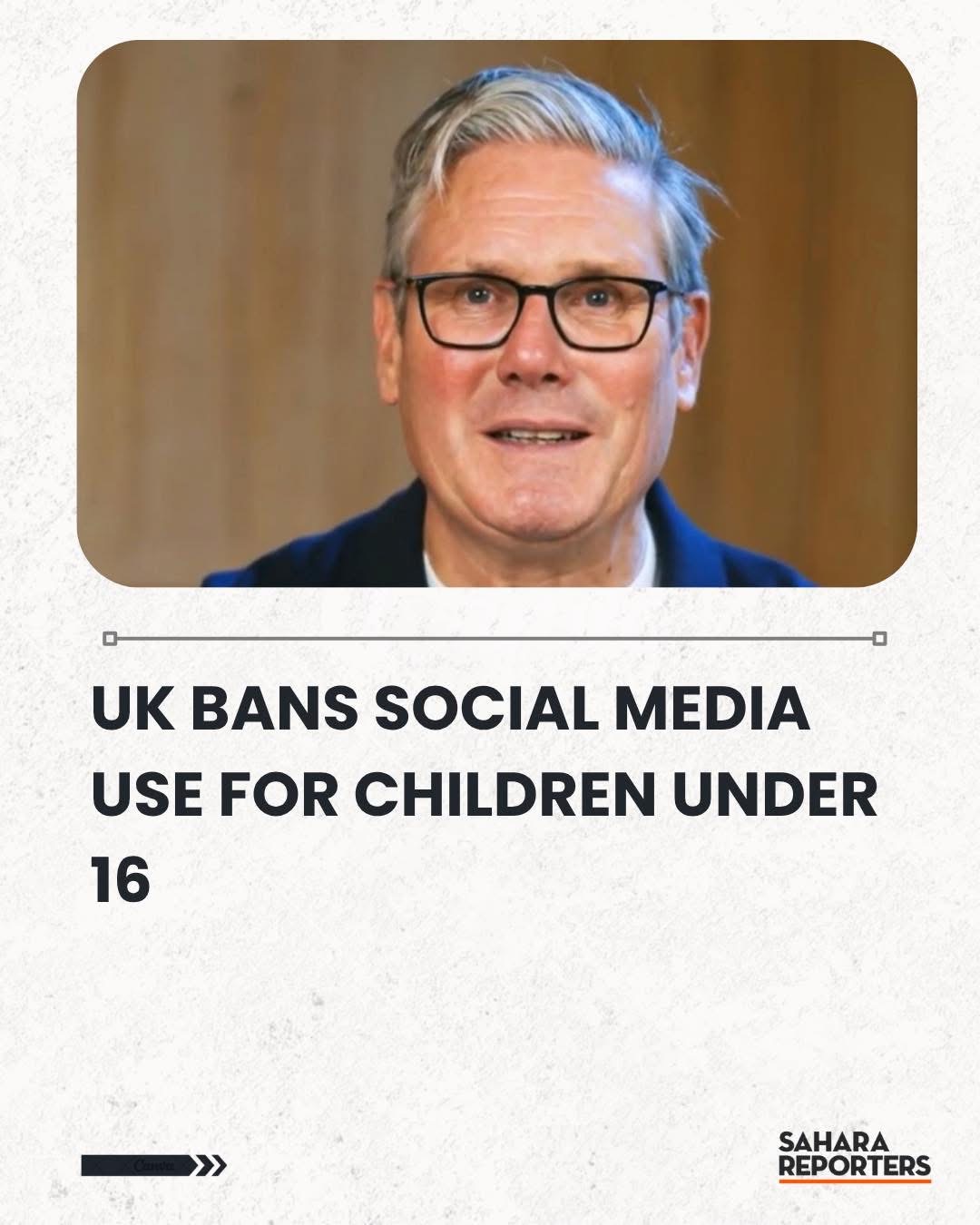
The United Kingdom is reportedly considering stricter measures to limit social media use among children under the age of 16, a move that has sparked widespread debate among parents, educators, technology companies, and child safety advocates.
The proposed restrictions are aimed at protecting young people from the potential dangers associated with excessive social media use, including cyberbullying, exposure to harmful content, online exploitation, and mental health challenges. Supporters of the initiative argue that children are increasingly vulnerable in the digital age and require stronger safeguards while navigating online platforms.
According to reports, policymakers believe that stricter age verification systems and tighter regulations could help create a safer online environment for minors. The proposal follows growing concerns about the impact of social media on children’s emotional well-being, academic performance, and overall development.
However, critics argue that a complete ban could be difficult to enforce and may limit opportunities for young people to learn, communicate, and access educational resources online. They suggest that improved digital literacy, parental guidance, and platform accountability may be more effective solutions.
As discussions continue, the proposed policy highlights the growing global conversation about balancing children’s online freedom with the need to protect them from digital risks. If implemented, the UK’s decision could influence similar policies in other countries seeking to address the challenges posed by social media use among young people.
About the Author