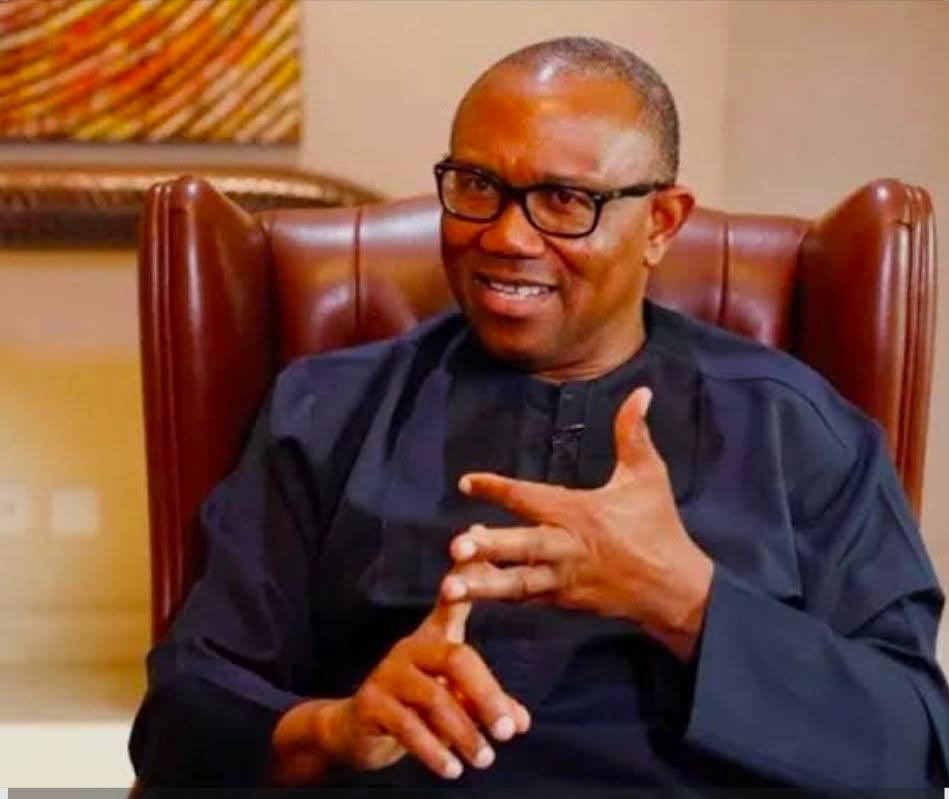
 Former Anambra State governor and Labour Party presidential candidate, Peter Obi, has suggested that the 2027 general election may be his last attempt at Nigeria’s highest office, citing age and the country’s informal power-sharing arrangement as key factors that could influence his future political ambitions.
Obi made the remarks during an interview with media personality Rufai Oseni, where he spoke about the realities of Nigeria’s political structure and the role zoning may play in his decision to seek office beyond 2027.
According to Obi, the possibility of contesting in 2031 is slim, particularly if the presidency rotates back to the North after the 2027 election. He noted that by the time the office is expected to return to the South again, he would be about 78 years old, an age at which he does not envision himself pursuing the presidency.
The former governor, however, did not completely rule out another run. He explained that any decision about 2031 would depend on the outcome of the 2027 election and whether the presidential ticket remains in the South.
Obi’s comments have sparked fresh discussions about succession, zoning, and the future of opposition politics in Nigeria. Supporters view his remarks as a sign of political realism and a call for strategic planning within his political movement, while critics argue that electoral decisions should focus more on competence and national priorities than regional arrangements.
The statement also raises important questions about leadership transition within Nigeria’s opposition parties and who could emerge as the next generation of leaders if Obi eventually exits the presidential race.
As preparations for the 2027 elections continue, Obi remains one of the country’s most influential political figures, and his comments are likely to intensify conversations about zoning, age, leadership succession, and the direction of Nigeria’s democracy in the years ahead.
About the Author