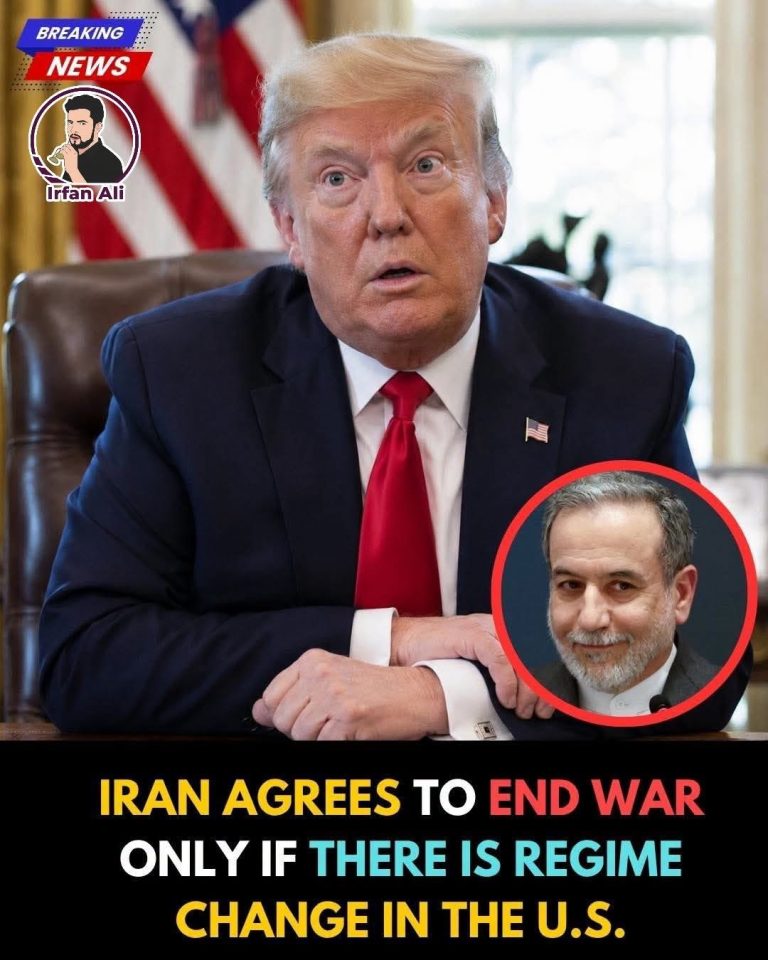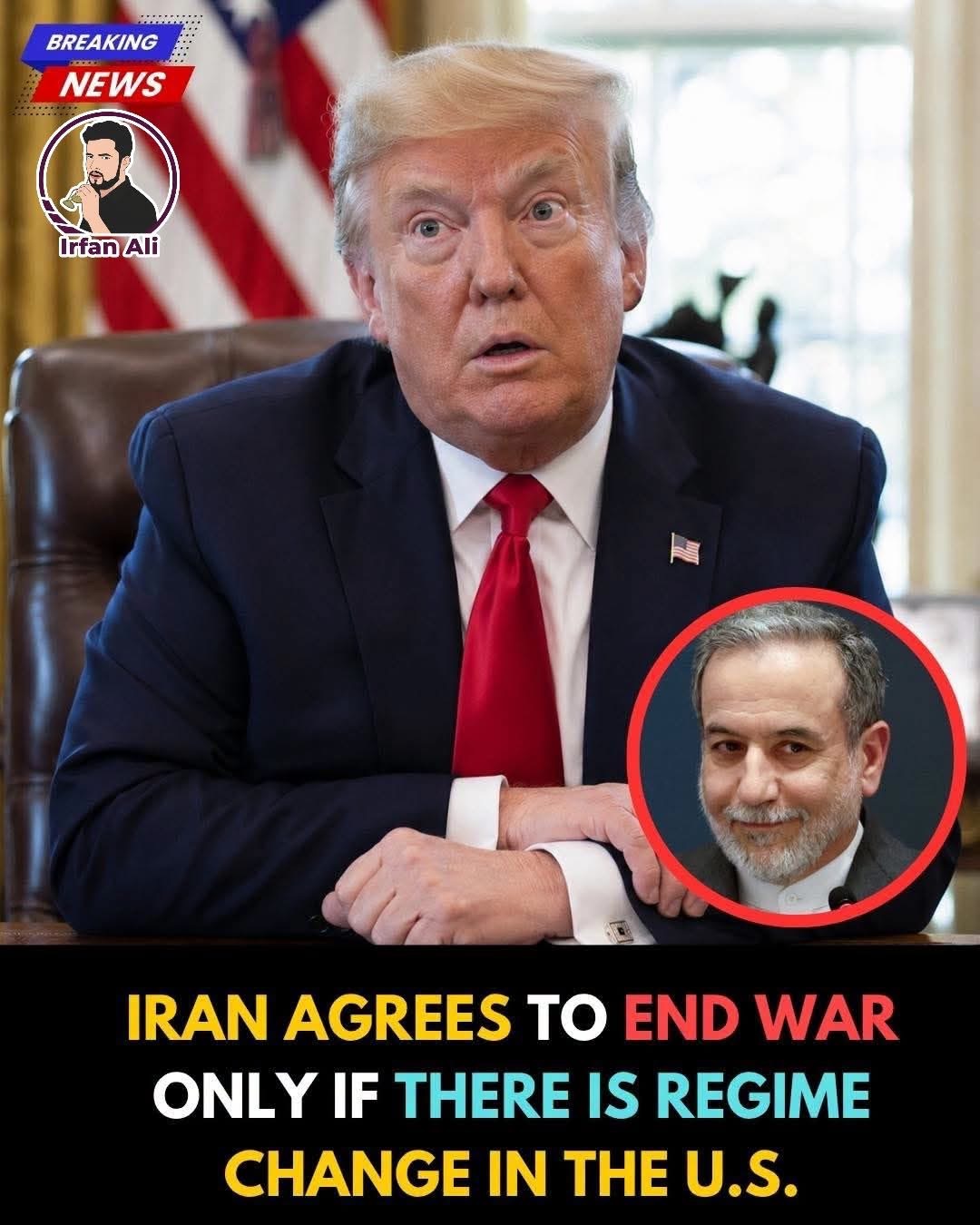
Tensions between Iran and the United States have taken a dramatic turn after reports emerged that Tehran declared the ongoing conflict would only end if there is a change of government in Washington. If accurate, the statement marks one of Iran’s strongest political messages yet, shifting the focus of the confrontation from military and diplomatic disputes to the legitimacy of political leadership itself.
For decades, the United States has frequently criticized Iran’s leadership and, at times, voiced support for political change in Tehran. Iran’s reported response appears to mirror that rhetoric, arguing that if Washington believes it can question Iran’s government, Tehran can do the same regarding the U.S. administration.
The reported remarks have sparked debate among analysts and observers. Supporters may see the statement as a bold show of defiance against American influence, while critics argue that such rhetoric could make diplomatic negotiations even more difficult and increase the risk of prolonged tensions.
Beyond military operations and economic sanctions, the exchange highlights how the rivalry between the two nations is increasingly becoming an ideological and political contest. The conflict is no longer centered solely on security concerns or nuclear issues but also on competing visions of power, sovereignty, and global influence.
As relations between Tehran and Washington remain strained, international observers continue to urge restraint and renewed diplomatic engagement. Whether the reported statement represents a negotiating tactic or a hardened political position, it underscores the deep divisions between the two countries and the challenges that lie ahead in achieving lasting peace.
About the Author